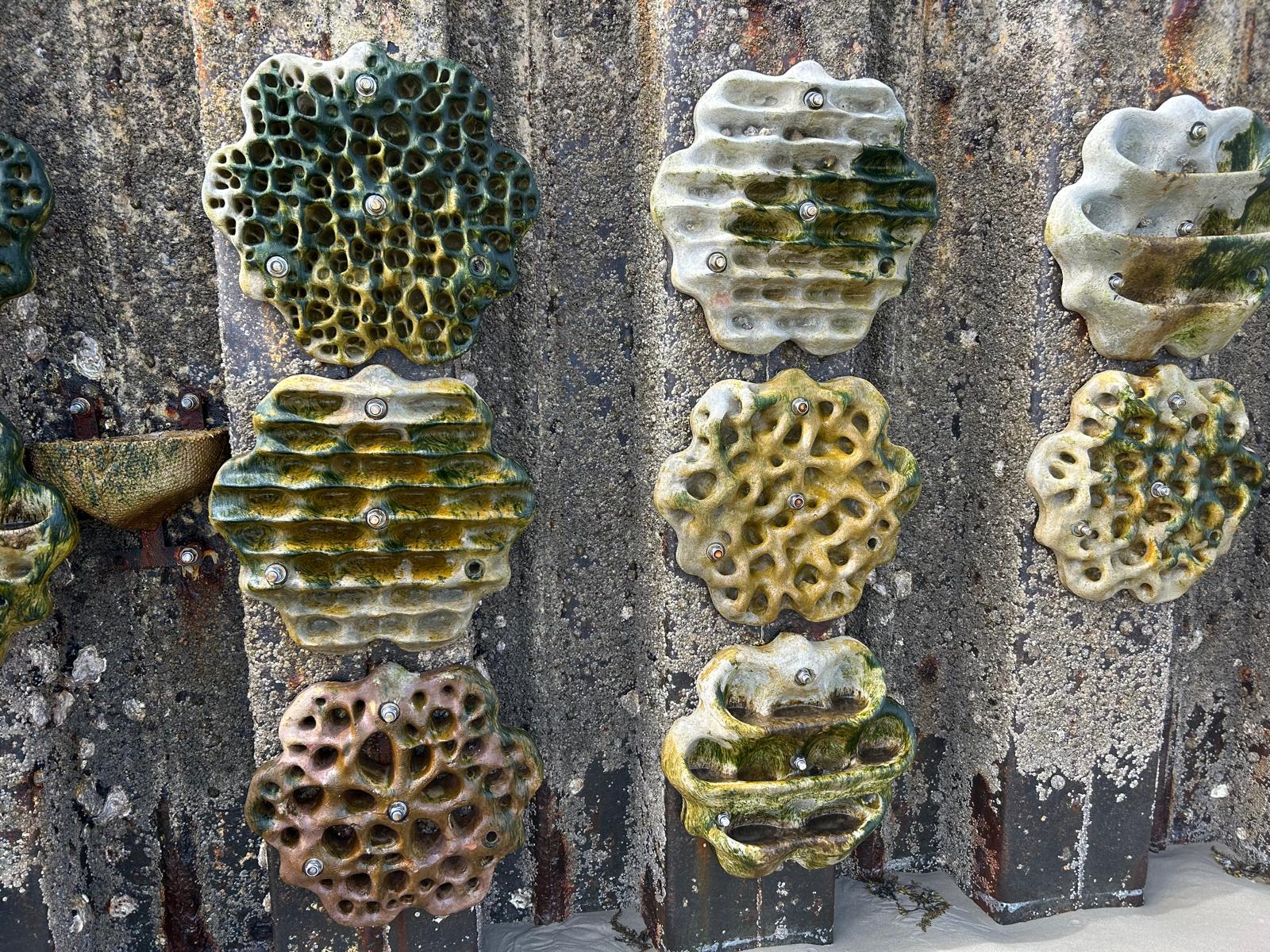
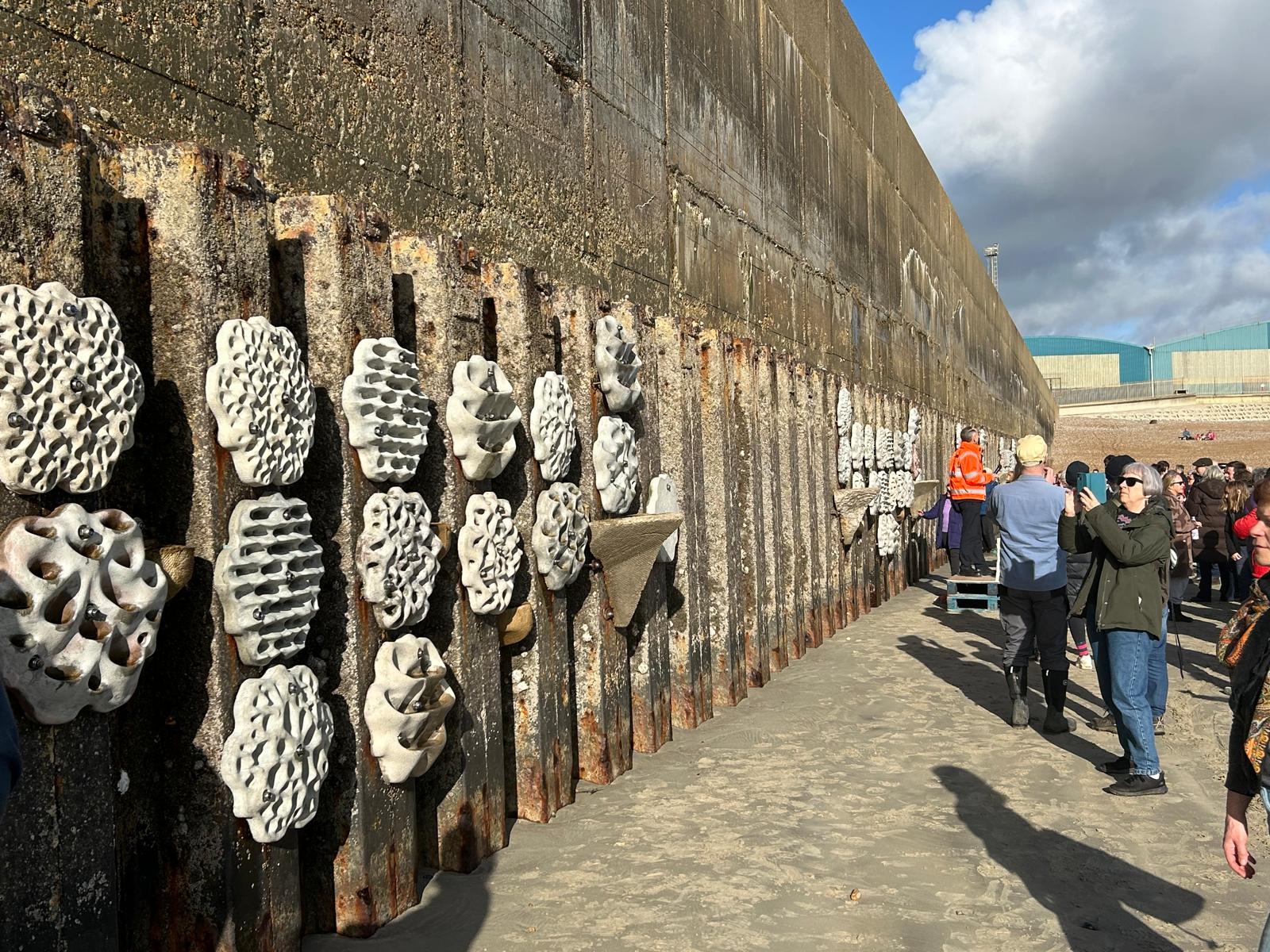
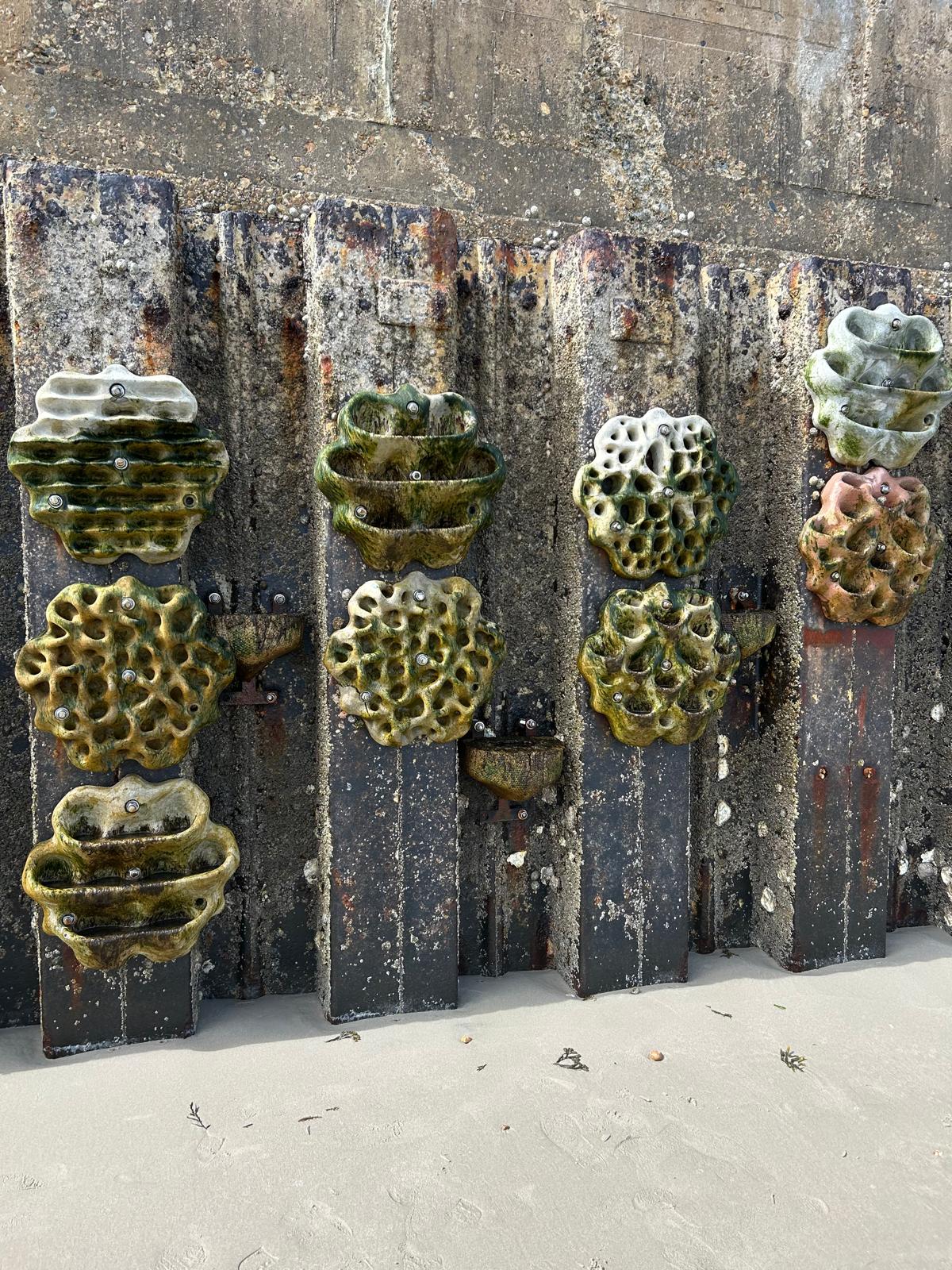
We supported Shoreham Port in delivering the Southwick Reef project – now recognised as the UK’s largest living seawall.
| Client | Shoreham Port |
| Date | Southwick, West Sussex |
| Where | January 2026 |
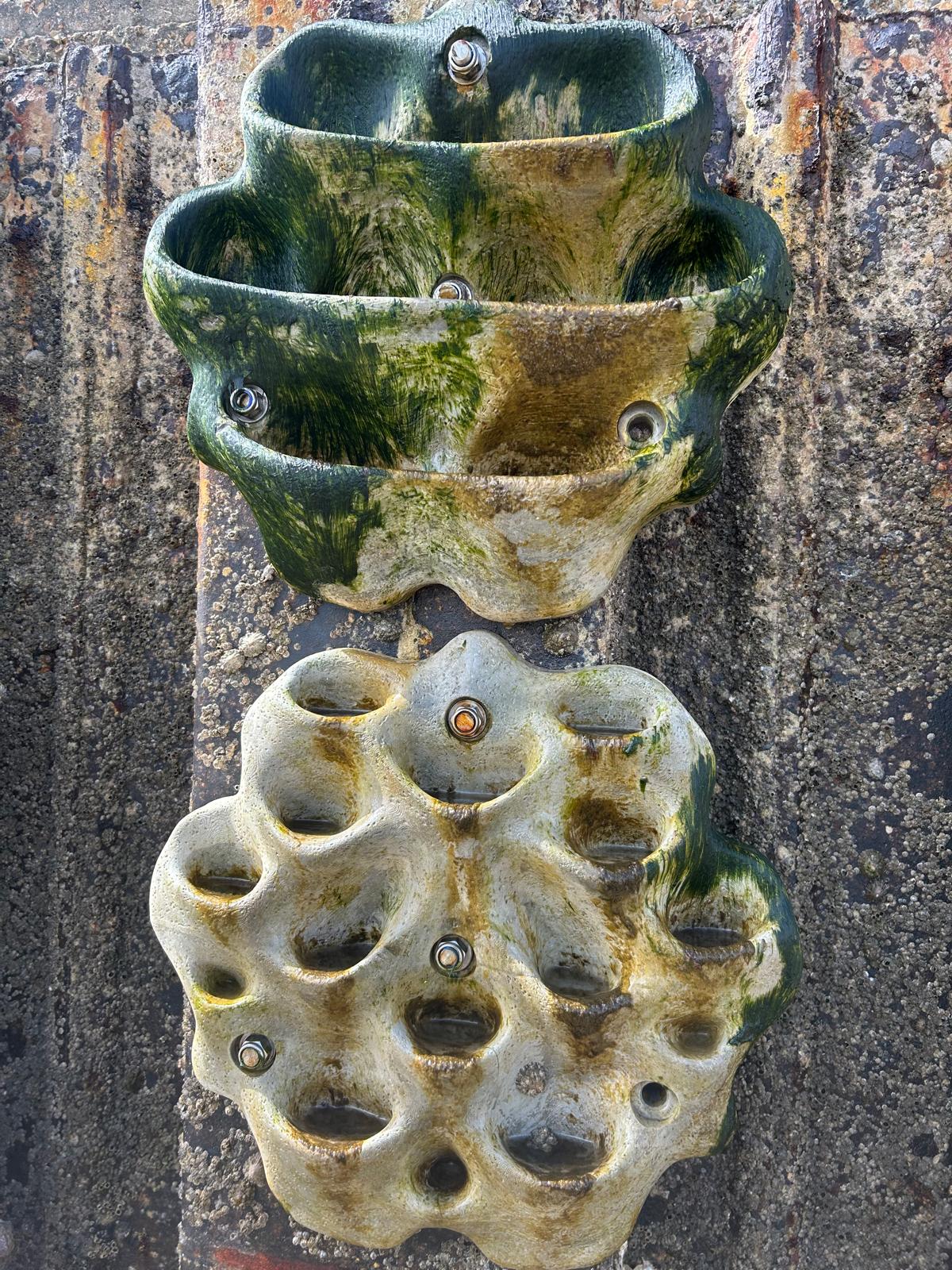
Our role focused on the supply of 100 Living Seawalls panels, designed to retrofit onto existing harbour infrastructure and transform it into a thriving marine habitat.
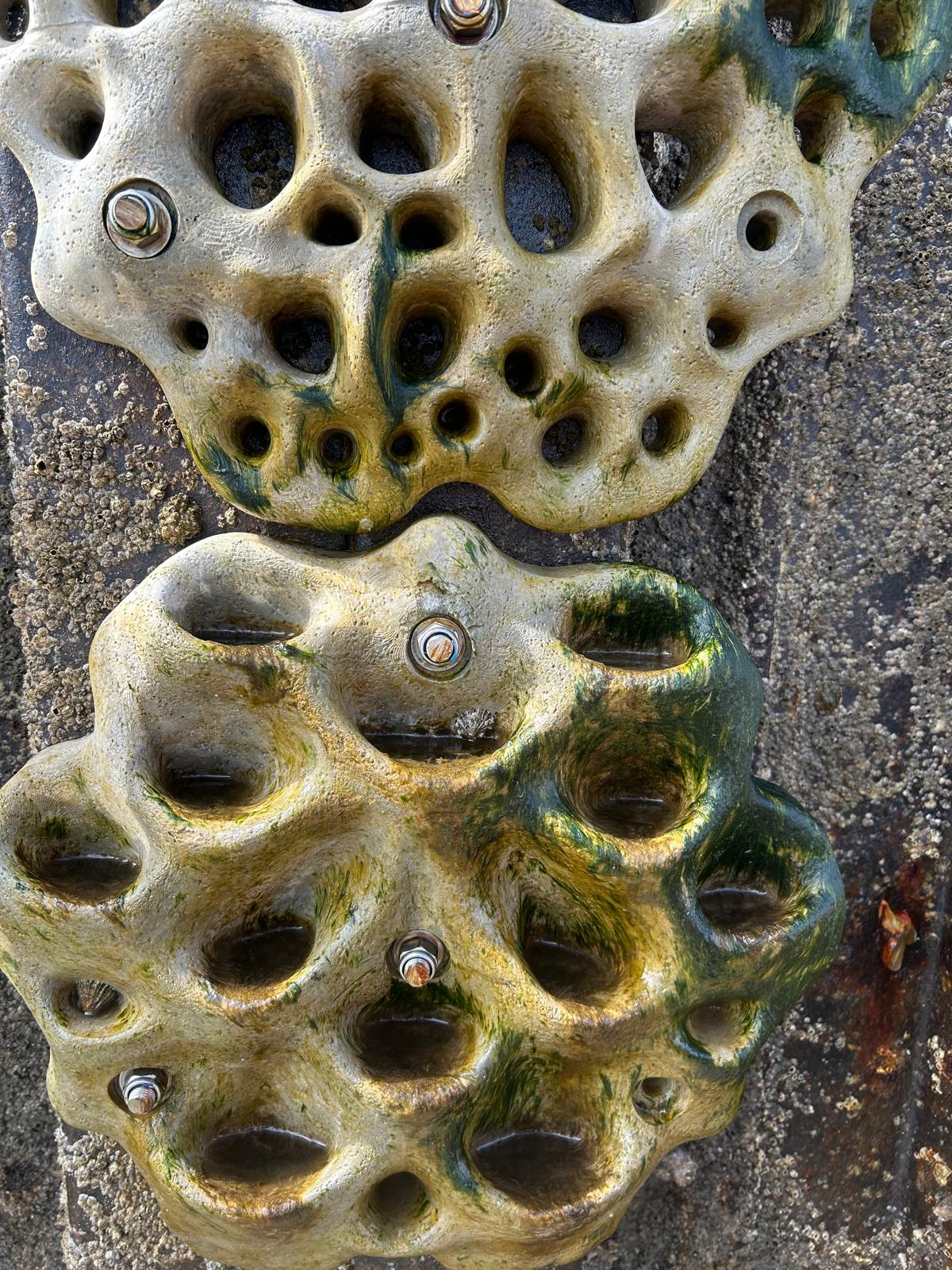
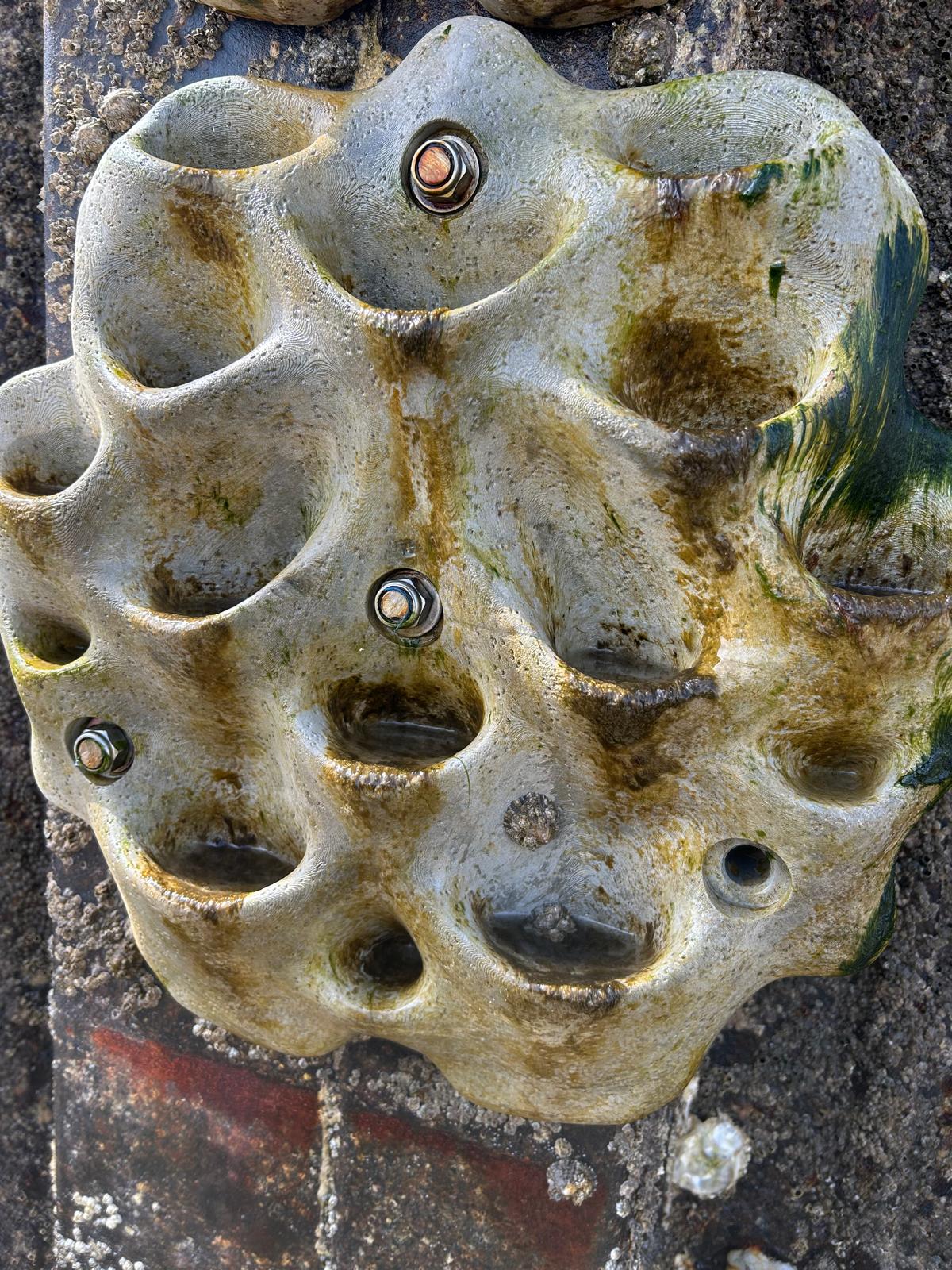
Living Seawalls were selected to enhance biodiversity without compromising the integrity of the port’s coastal defences. By introducing textured, habitat-rich surfaces, the project reimagines traditional marine structures as active ecosystems, while also contributing to ongoing scientific research and wider sustainability goals.
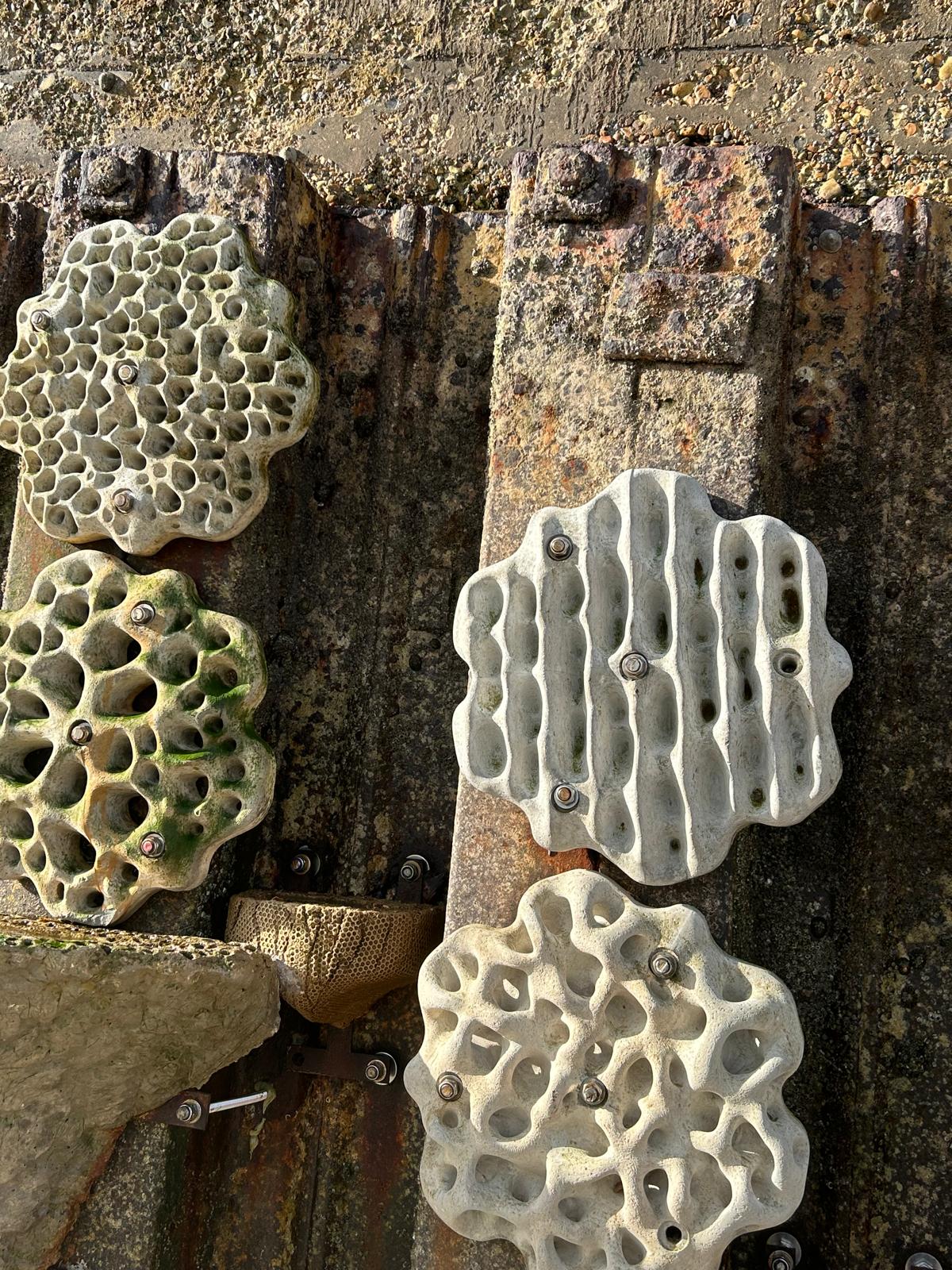
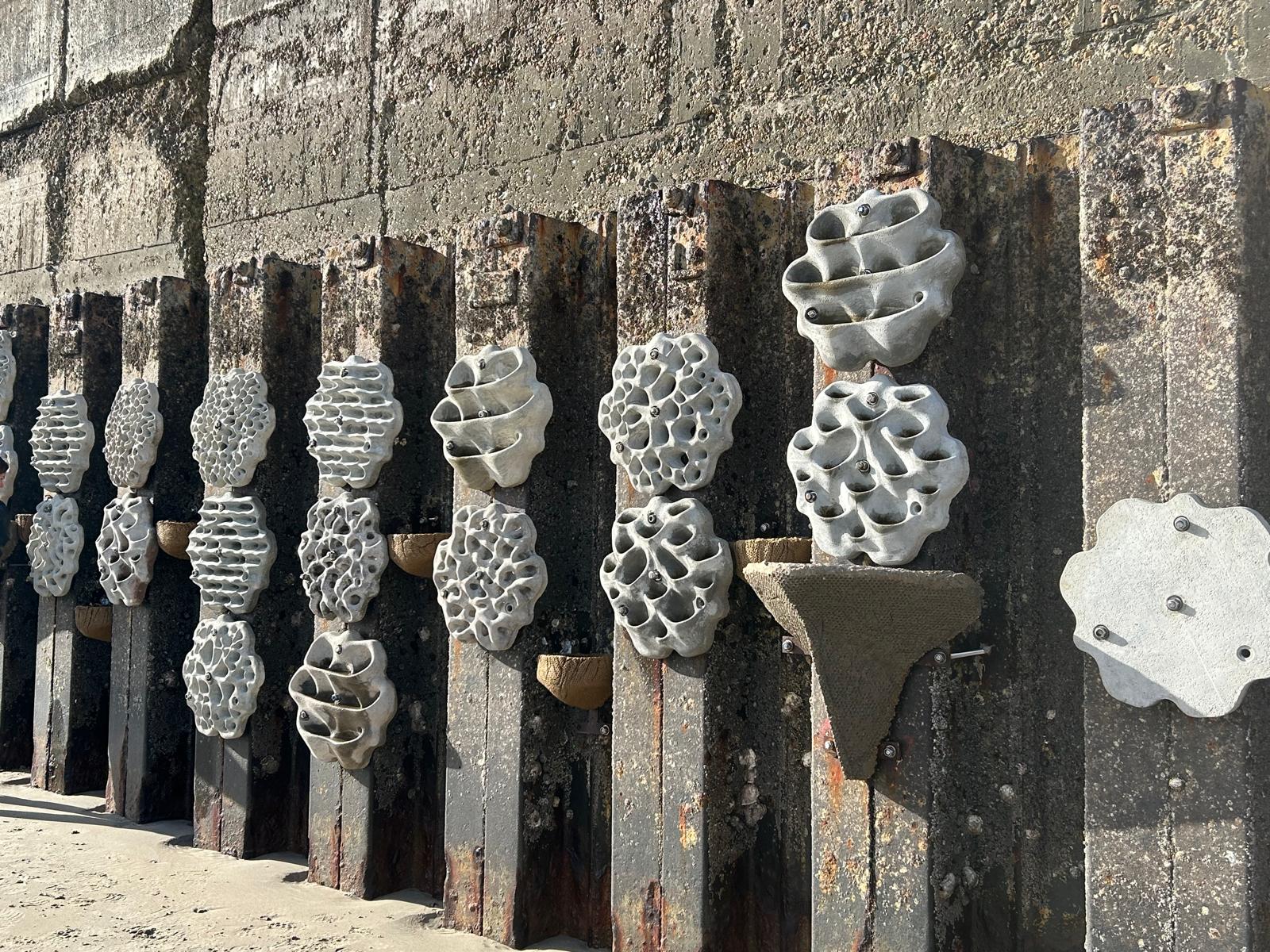
Working within a busy, operational port environment brought a number of complexities. The installation area was located within the intertidal zone – between Mean High Water Springs (MHWS) and Mean Low Water Springs (MLWS) – which significantly restricted both working height and installation windows.
All works had to be carefully timed around low tides, creating short, high-pressure construction periods. In addition, the exposed and often windy conditions at the site increased both installation difficulty and the long-term durability requirements for the panels.
Retrofitting onto existing sheet pile harbour walls also required a sensitive engineering approach to ensure the integrity of the coastal defences was not compromised. The project programme faced further delays due to extended timelines in securing the Marine Management Organisation (MMO) licence.
Our approach
We supplied a hundred Living Seawalls panels specifically designed for intertidal installation, ensuring compatibility with the existing harbour wall structures while maximising ecological potential.
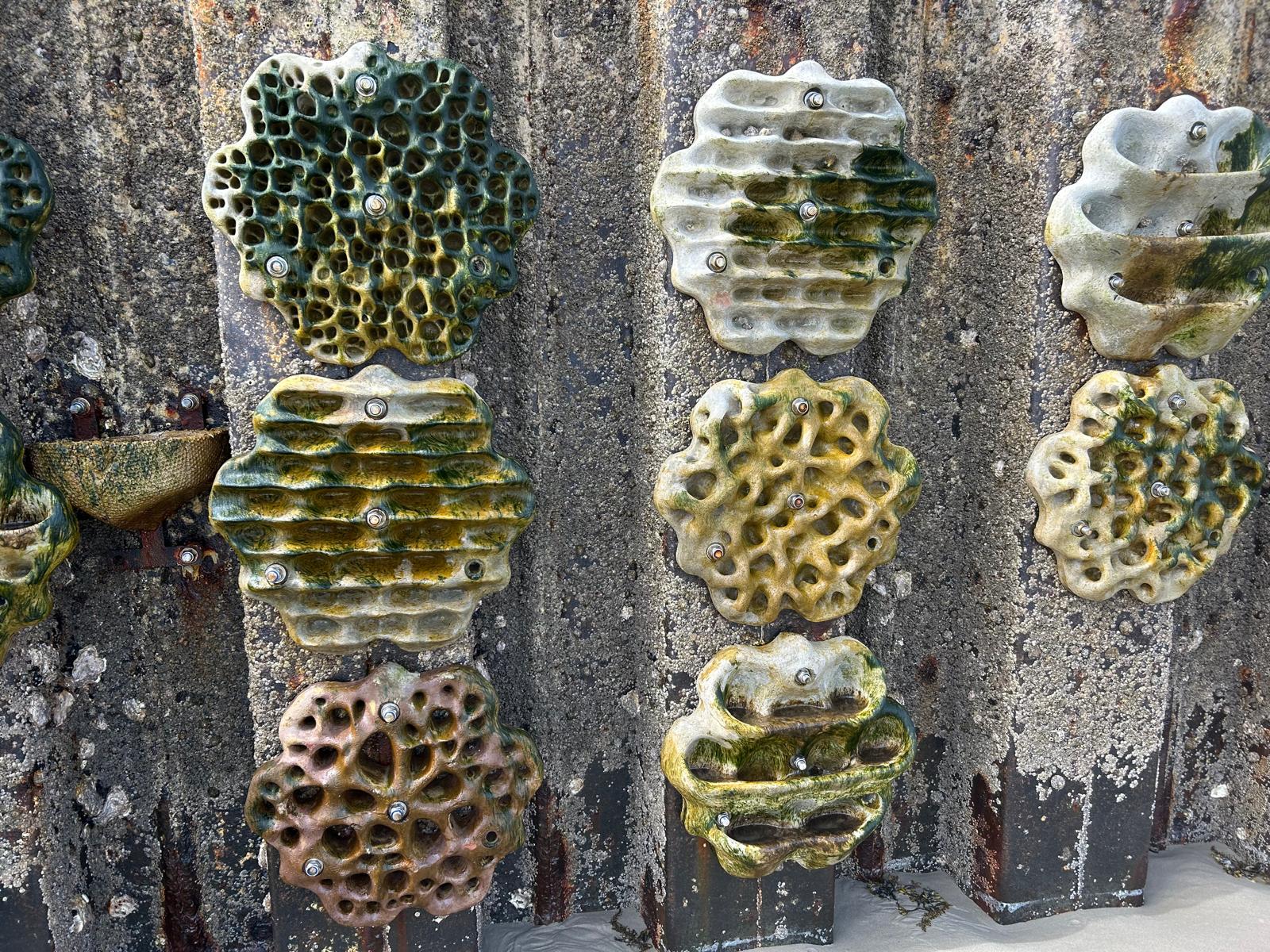
Close coordination with the wider project team was essential to lineup delivery with the restricted tidal working windows and evolving programme. The panels were engineered to withstand harsh marine conditions while providing varied surface textures and microhabitats to encourage marine colonisation.
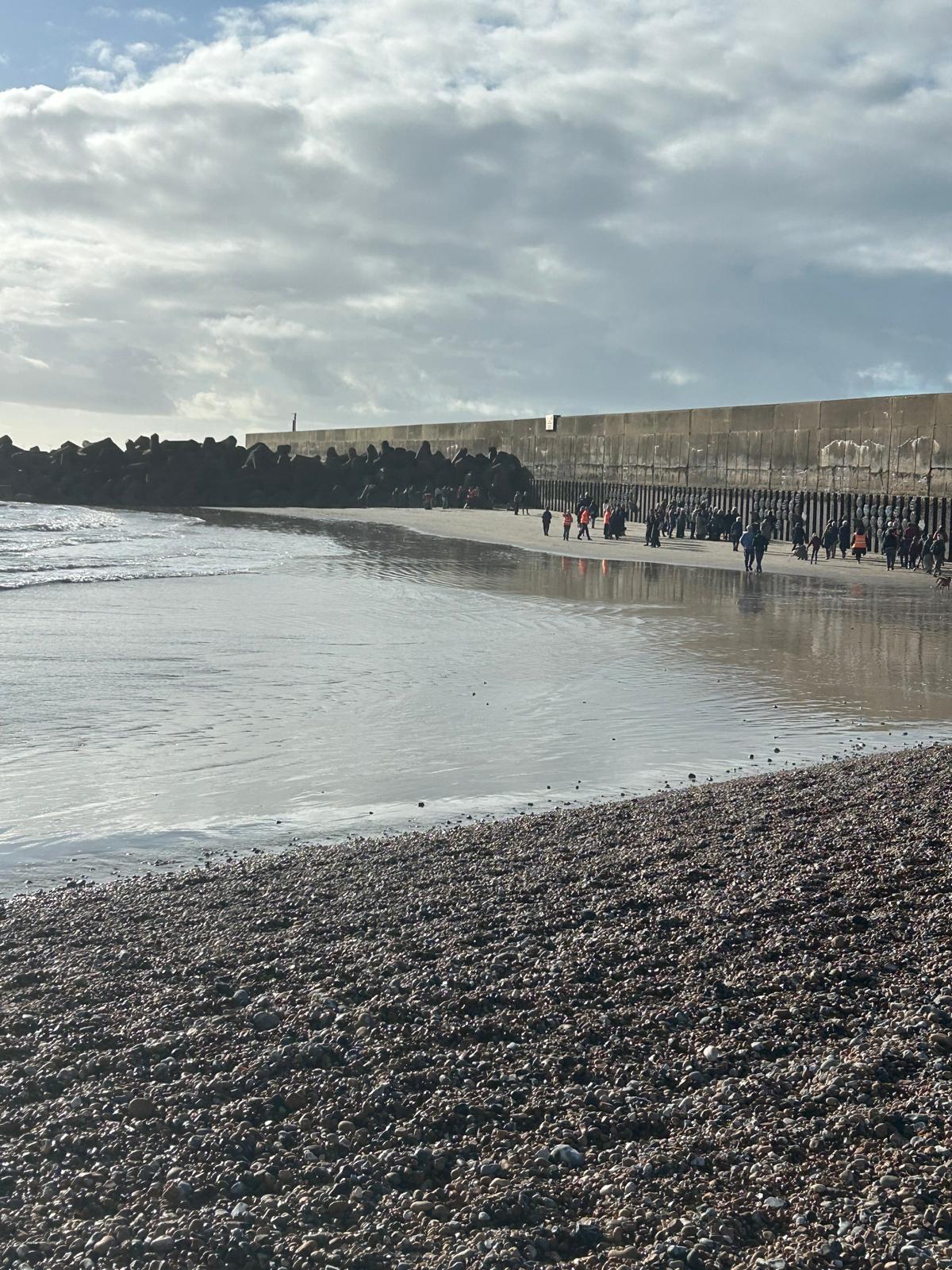
The Southwick Reef project is a fantastic leap for eco-engineering in the UK marine sector. By adding habitat features into the coastal infrastructure itself, it shows that engineering and sustainability can fit together in a practical way.
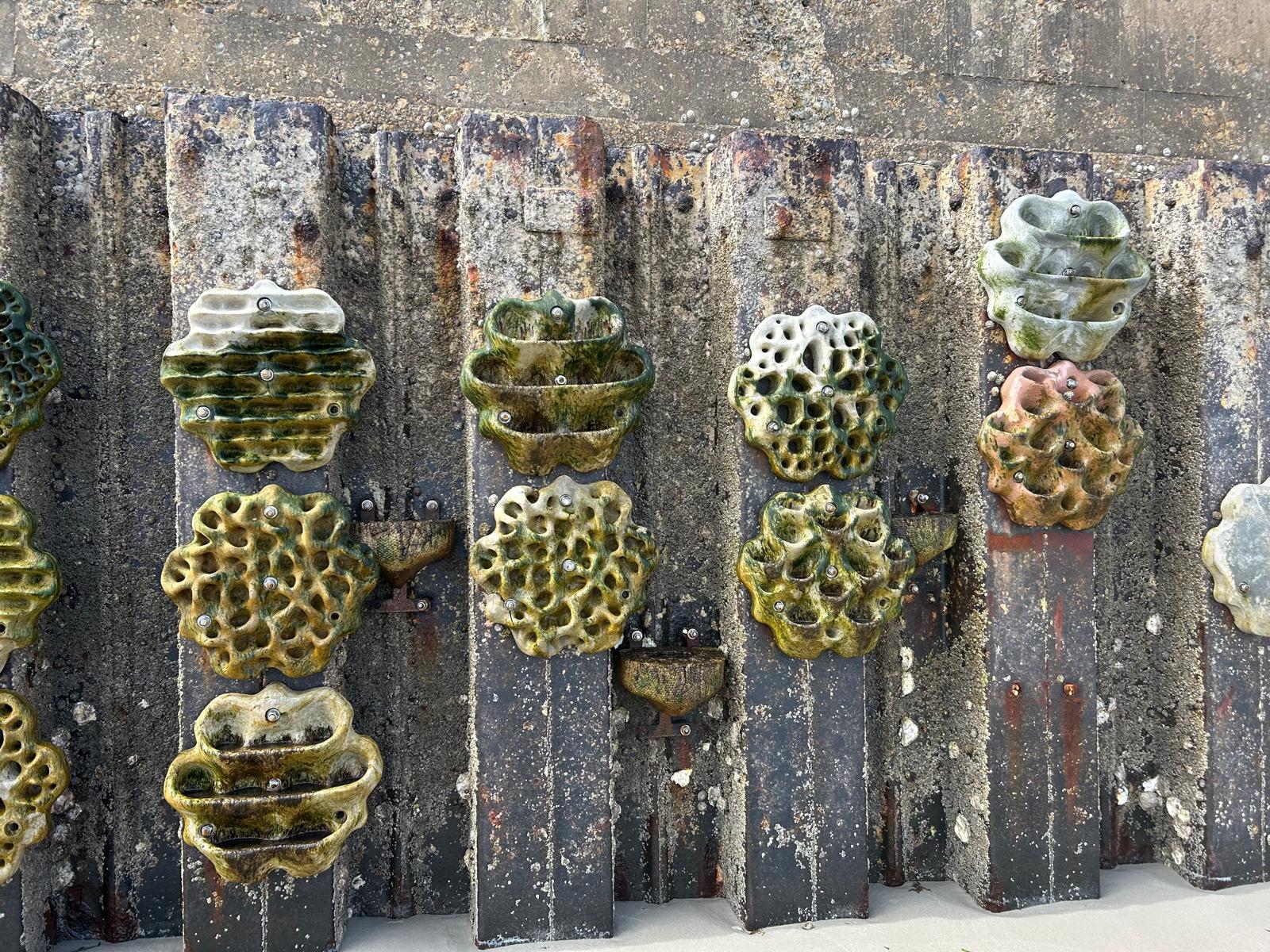
The seawalls now provide new habitats for marine species, contributing to increased biodiversity along the harbour arm. At the same time, the project supports a wide-ranging research programme led by the University of Brighton, including biodiversity monitoring and studies into the social value of marine enhancements.
The benefits of the project are various and, as well as creating new marine habitats that support biodiversity, include enhancement of existing coastal defences, contribution to long-term scientific research and data collection, and engagement with local communities through education and citizen science. It also offers a scalable model for future nature-based coastal infrastructure projects.
“This was a technically demanding project, particularly given the tidal constraints and exposed conditions we were working in,” says Smitesh Hankare, Engineering Project Manager at Inland and Coastal. “Careful planning and collaboration were key to ensuring the panels could be successfully integrated without impacting the existing harbour structures. It’s incredibly rewarding to see a project like this come to life – one that not only meets engineering requirements but also delivers real environmental value.”
Southwick Reef forms part of Shoreham Port’s wider sustainability strategy and stands as a powerful example of how ports and coastal infrastructure can evolve to support both industry and the natural environment.
To discover more about including Living Seawalls in your existing or new projects call Jon Challis on 07712 875679 or click here to send an email.